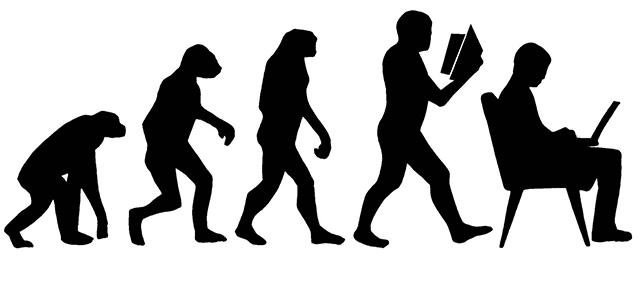
In less than two decades, new tools and online platforms have changed the way the event industry plans events and how attendees experience them. There's no arguing that technology has touched and transformed every aspect of the events industry over the past 15 years, influencing planning, production, execution and maintenance.
And yet, despite all these changes, the core functions and values of events remain the same: to bring people together to learn, to do business, to network, to support causes and to have a good time. Technology's impact on the industry has been more evolutionary than revolutionary. Step by step, year after year, new products, capabilities and tools are being integrated, so that all events today - from trade shows and fundraisers to meetings and receptions - are very different from those held in 2000.
During those years, many were afraid to use technology (especially when the fear of the Y2K crash was nipping at its heels). About half of adults spent time online in 2000, mostly via dial-up: only 3% of American homes had broadband access, according to the Pew Research Center. These numbers have changed dramatically: in 2014, the Pew Research Center reported that 87% of American adults used the Internet, and 97% of those aged 18 to 29 used the Internet, with 68% of adults accessing the Internet via mobile devices.
For the events industry, this means numerous opportunities – and expectations. Chapter 1: Building Social Connections Chapter 2: Working in a Mobile Environment Chapter 3: Changes in Planning Chapter 4: Connecting Digital and Real Stories Chapter 5: Cracking the Code Original article on the electronic version of BizBash